
/*; } .etn-event-item .etn-event-category span, .etn-btn, .attr-btn-primary, .etn-attendee-form .etn-btn, .etn-ticket-widget .etn-btn, .schedule-list-1 .schedule-header, .speaker-style4 .etn-speaker-content .etn-title a, .etn-speaker-details3 .speaker-title-info, .etn-event-slider .swiper-pagination-bullet, .etn-speaker-slider .swiper-pagination-bullet, .etn-event-slider .swiper-button-next, .etn-event-slider .swiper-button-prev, .etn-speaker-slider .swiper-button-next, .etn-speaker-slider .swiper-button-prev, .etn-single-speaker-item .etn-speaker-thumb .etn-speakers-social a, .etn-event-header .etn-event-countdown-wrap .etn-count-item, .schedule-tab-1 .etn-nav li a.etn-active, .schedule-list-wrapper .schedule-listing.multi-schedule-list .schedule-slot-time, .etn-speaker-item.style-3 .etn-speaker-content .etn-speakers-social a, .event-tab-wrapper ul li a.etn-tab-a.etn-active, .etn-btn, button.etn-btn.etn-btn-primary, .etn-schedule-style-3 ul li:before, .etn-zoom-btn, .cat-radio-btn-list [type=radio]:checked+label:after, .cat-radio-btn-list [type=radio]:not(:checked)+label:after, .etn-default-calendar-style .fc-button:hover, .etn-default-calendar-style .fc-state-highlight, .etn-calender-list a:hover, .events_calendar_standard .cat-dropdown-list select, .etn-event-banner-wrap, .events_calendar_list .calendar-event-details .calendar-event-content .calendar-event-category-wrap .etn-event-category, .etn-variable-ticket-widget .etn-add-to-cart-block, .etn-recurring-event-wrapper #seeMore, .more-event-tag, .etn-settings-dashboard .button-primary{ background-color:
logo

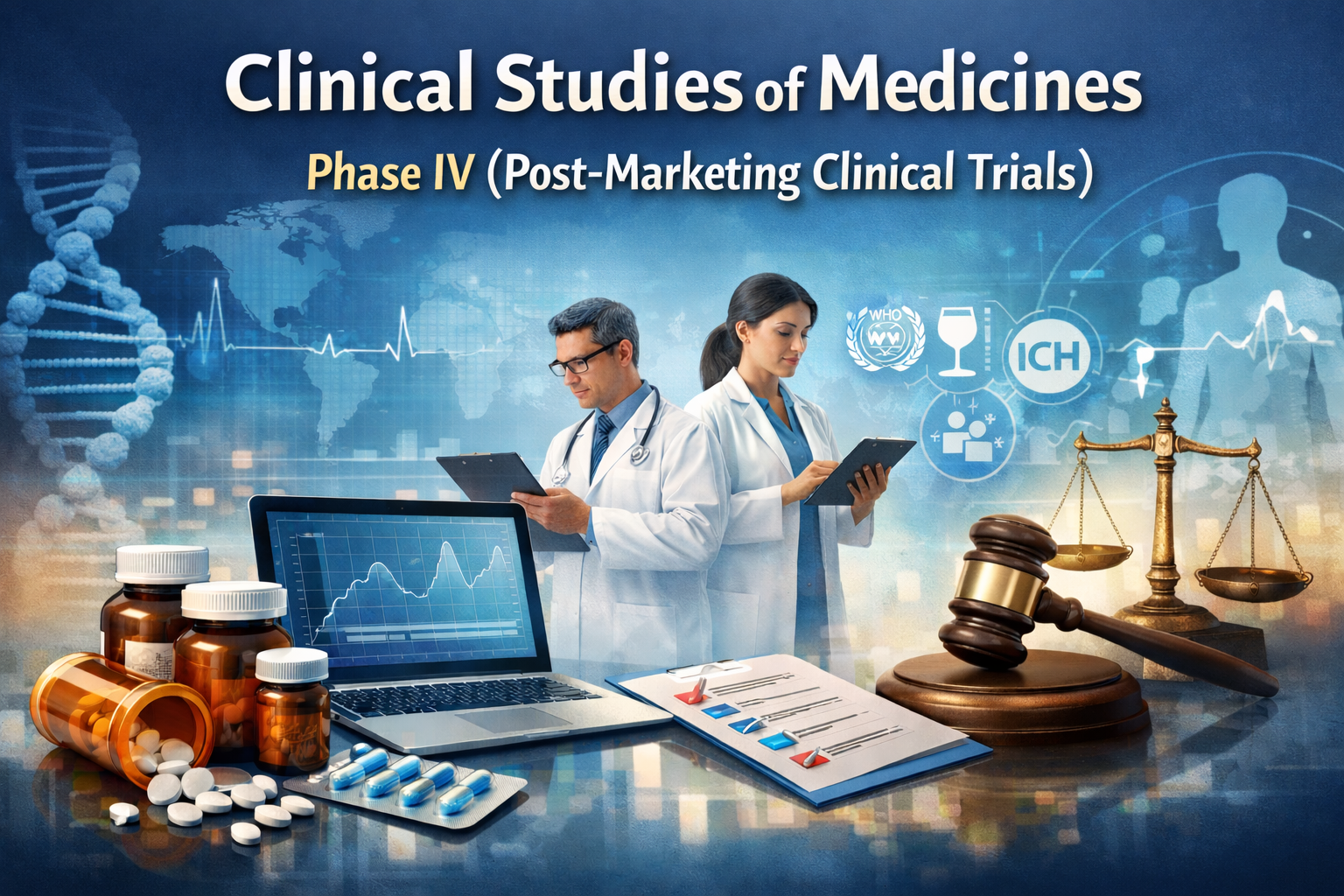
Clinical Studies of Medicines – Phase IV (Post-Marketing Clinical Trials)

Categories: Health
Wishlist Share
Share Course
Page Link
Share On Social Media

About Course

Module Overview

Phase IV clinical studies, also known as post-marketing surveillance trials, are essential for assessing the long-term safety, effectiveness, and real-world performance of approved pharmaceutical products. These studies help manufacturers monitor adverse events, refine dosing recommendations, evaluate special populations, and meet WHO, PIC/S, and ICH regulatory obligations for lifecycle product oversight.

This module provides a solid understanding of the scientific, ethical, and regulatory aspects of Phase IV clinical trials, enabling participants to contribute to pharmacovigilance, medical affairs, quality systems, and regulatory submissions.

What Will You Learn?

  • • To explain the purpose, scope, and regulatory requirements of Phase IV clinical trials.
  • • To equip participants with knowledge of post-marketing safety monitoring, real-world evidence (RWE), and pharmacoepidemiology.
  • • To build capacity for handling adverse event reporting, risk assessment, and safety signal detection.
  • • To understand WHO, ICH, EMA, and FDA guidelines for post-marketing obligations and safety commitments.
  • • To enable participants to collaborate with clinical research, pharmacovigilance, and regulatory teams effectively.

Course Content

1. Introduction to Phase IV Clinical Studies
• Purpose and importance of post-marketing trials • Differences between Phase I, II, III vs. Phase IV • Public health significance and WHO post-marketing requirements

2. Regulatory Framework
• ICH GCP (E6 R3) for ethical conduct • WHO pharmacovigilance guidance • FDA post-marketing commitments (PMCs) and post-marketing requirements (PMRs) • EMA PASS (Post-Authorization Safety Studies) • PIC/S inspection expectations

3. Types of Phase IV Clinical Studies
• Observational studies (cohort, case-control, cross-sectional) • Interventional post-marketing trials • Safety studies in special populations (elderly, pregnant women, pediatrics) • Real-world evidence (RWE) generation • Comparative effectiveness research

4. Study Design & Protocol Development
• Designing a Phase IV trial protocol • Selection of endpoints: safety, effectiveness, patient outcomes • Ethical considerations & informed consent • Data management and patient follow-up

5. Pharmacovigilance and Safety Monitoring
• Adverse drug reactions (ADR) vs. adverse events (AE) • Serious adverse event reporting timelines • WHO-UMC signal detection • Risk management plans (RMPs) • Periodic Safety Update Reports (PSURs) • Benefit–risk evaluation

6. Data Collection & Real-World Evidence
• Electronic health record (EHR) integration • Post-marketing registries • Patient-reported outcomes (PROs) • Use of AI in post-marketing safety analytics

7. Statistical Evaluation
• Pharmacoepidemiology basics • Drug utilization studies • Data interpretation for safety signals • Long-term safety trend analysis

8. Quality, Audits & Inspections
• Sponsor and investigator responsibilities • Site monitoring and documentation expectations • PIC/S and WHO inspection findings • Ensuring ALCOA+ and data integrity in clinical research

9. Reporting & Regulatory Submissions
• Clinical study report (CSR) writing • Safety information submission to authorities • Integration of Phase IV data into labeling/SmPC • Handling recalls and safety communications

X